Work / Google
Google Material Design
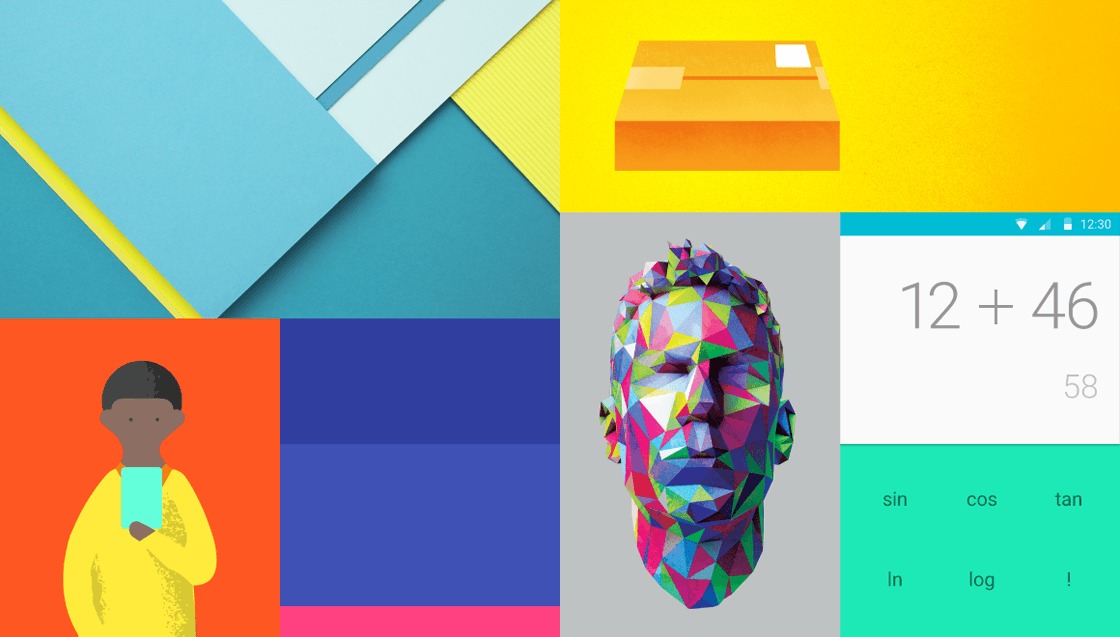
Material Design is now the standard for how design systems are built. I was there at the start when it was still called Quantum Paper.
The Idea
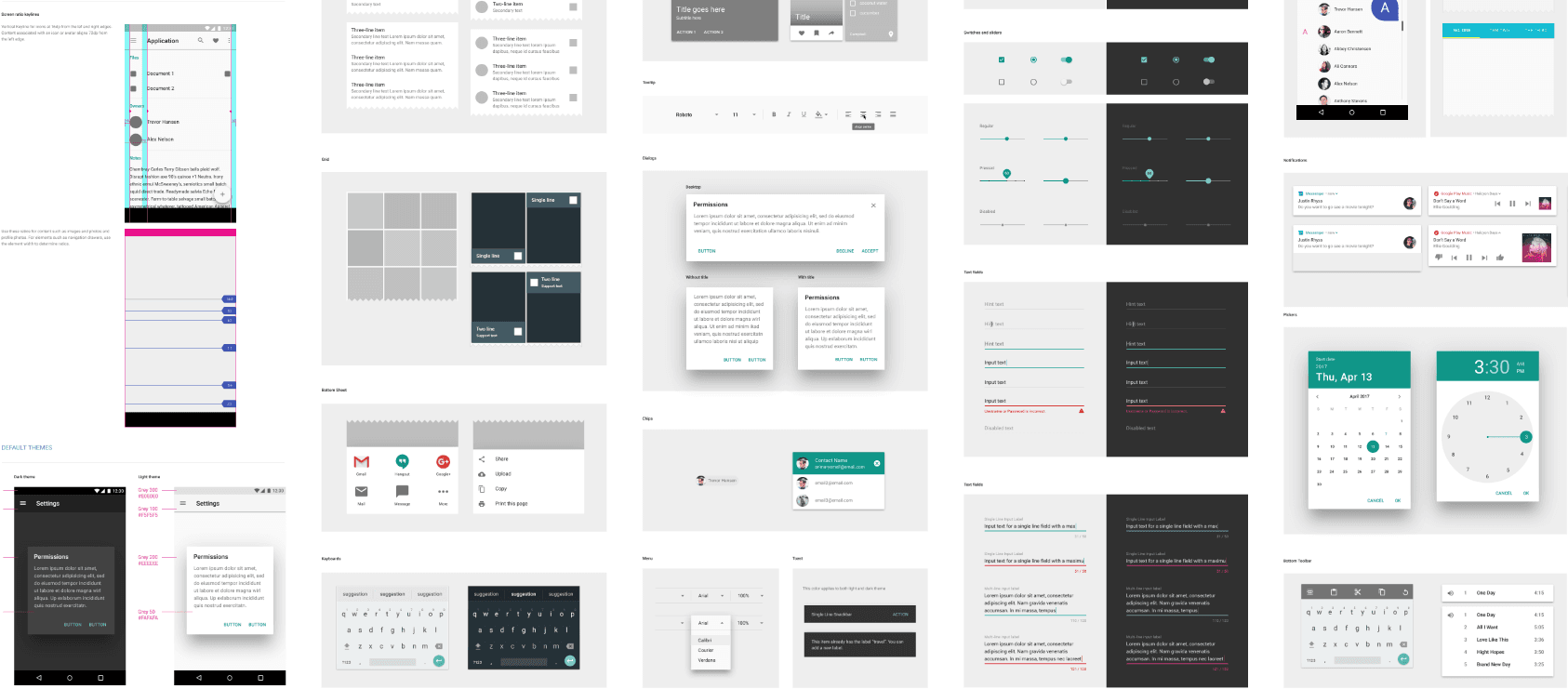
The concept was simple and ambitious: a design language that felt like magic paper physical but intelligent, with weight, depth, and motion that followed real-world physics. I led the design effort from the Android side, participating in concept development and leading the implementation in Android L. My team also built the first Material Design Guidelines the document that let designers everywhere build to the spec.
This was the largest project I have ever been a part of: 30+ designers, five stakeholders, design reviews from VP to SVP level. The challenge was not just design it was alignment.
Cross-Team Collaboration
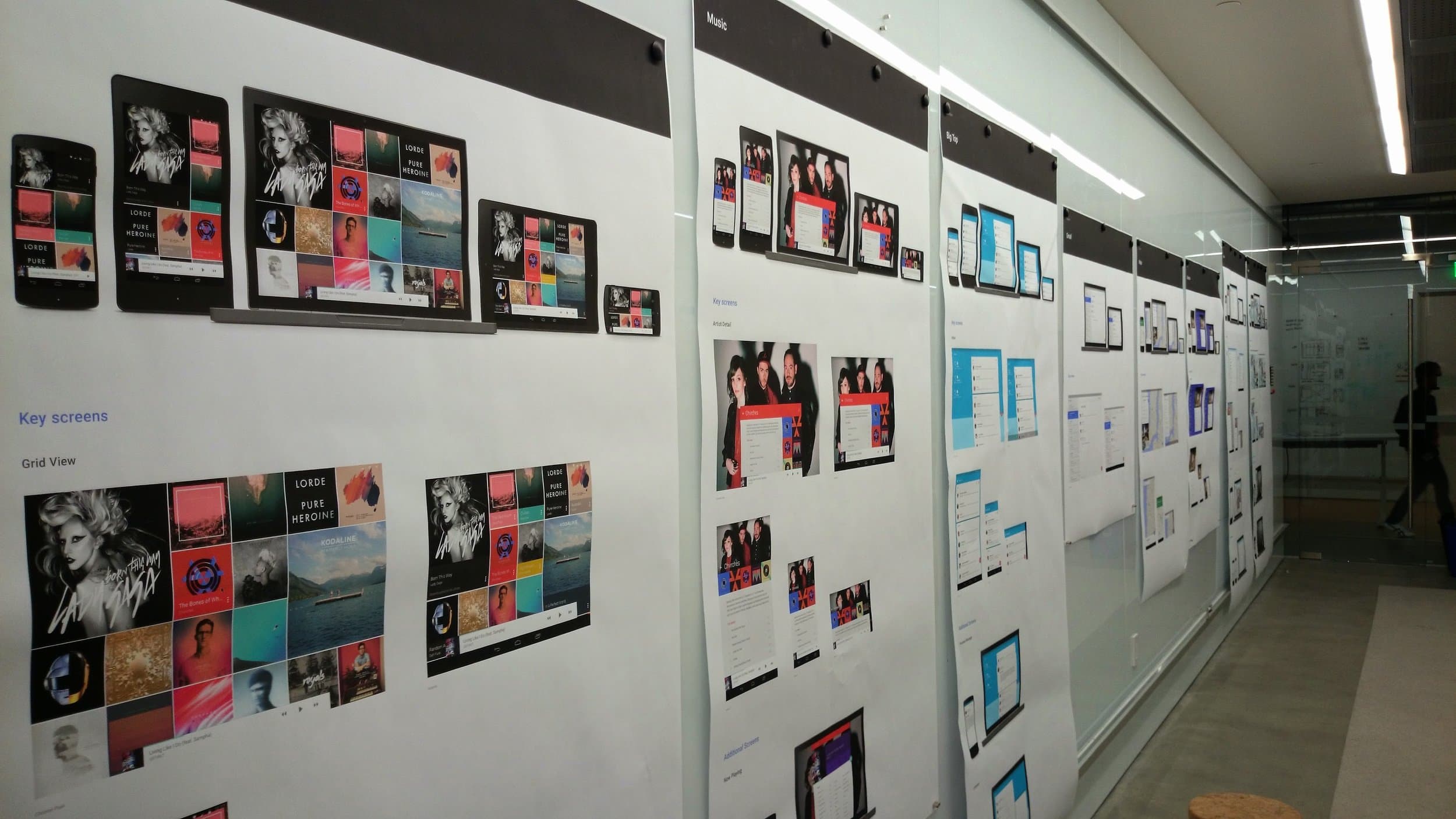
Material Design had to work across Google Chrome, Google Maps, Google Cloud, Google Play, and dozens of app teams. Each vertical had its own design requirements, constraints, and opinions. My role was to drive consensus advocating for the Android perspective while integrating the needs of every other team.
We ran cross-team product execution reviews and collaboration sessions continuously. That is how we maintained the integrity of a single design language across an organization of that scale.
Design Systems A Career Thread
Material Design is the most visible, but it was not the only one. At Sony, I built UXP a design system unifying Sony’s digital ecosystem across mobile, TV, and PlayStation. At Airbnb, I led the DLS standardizing visual and interactive design across the platform. At Splunk, I built Prisma purpose-built for data visualization at enterprise scale. At Reddit, I developed RPL transforming a fragmented platform into a consistent product.
Nine years in, I think about design systems the way engineers think about architecture: get it right and everything downstream gets easier. After its inception in 2014, Material Design became the gold standard for how a visual design system should be built.